ITANAGAR, Mar 16: As artificial intelligence and digital technologies continue to reshape the global media landscape, journalists from across the Indo-Pacific region gathered in the United States for an intensive professional exchange examining the future of journalism in a rapidly evolving technological environment.
The two-week programme, titled “AI and Technology in Journalism for the Indo-Pacific,” was conducted from February 28 to March 14 under the Edward R. Murrow Program for Journalists, part of the U.S. government’s International Visitor Leadership Program (IVLP).
Among the participants was Ranju Dodum from Arunachal Pradesh, the sole participant from India, who joined fellow journalists from across 11 countries to engage with media professionals, academic institutions and policy experts in several U.S. cities.
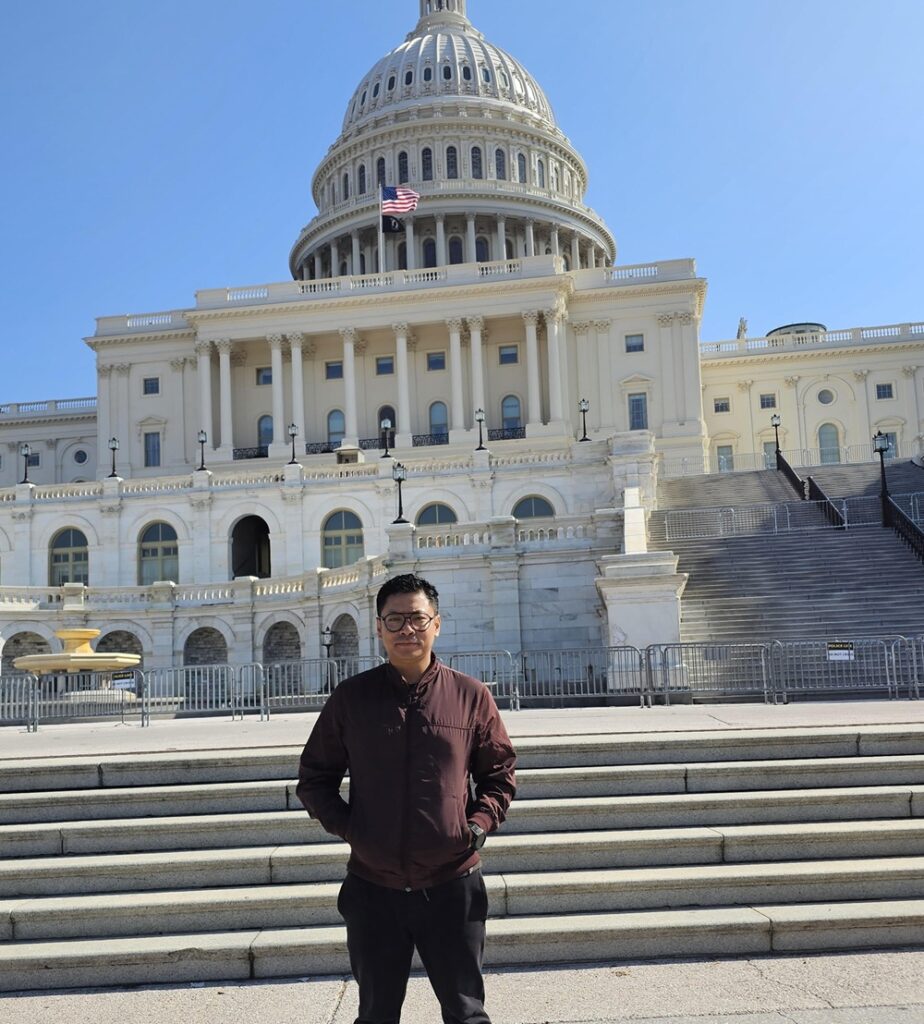
The programme was sponsored by the Bureau of Educational and Cultural Affairs of the U.S. Department of State and administered by American Councils for International Education, bringing together journalists from different media systems to exchange perspectives on how emerging technologies are transforming newsrooms and journalistic practice.
Over the course of the exchange, participants travelled to multiple cities where they interacted with reporters, editors, researchers and educators to examine issues ranging from newsroom innovation and digital transformation to the ethical implications of artificial intelligence in journalism.
One of the key engagements took place at Marquette University’s Diederich College of Communication in Milwaukee, where Dodum participated in a panel discussion with students on the current media landscape in India. He was the sole representative from India on the panel.
During the course of the visit, Dodum spoke about the complexities of reporting from India’s diverse and often uneven media environment, where regional realities can differ sharply from national narratives.
During several meets held across four states in the U.S, he also emphasised the need for greater visibility for voices from remote and underrepresented regions, highlighting the challenges faced by indigenous communities in Arunachal Pradesh and the wider Northeast. Issues affecting these communities, including environmental concerns, cultural preservation and development pressures, often receive limited coverage in mainstream national media, he noted during the interactions.
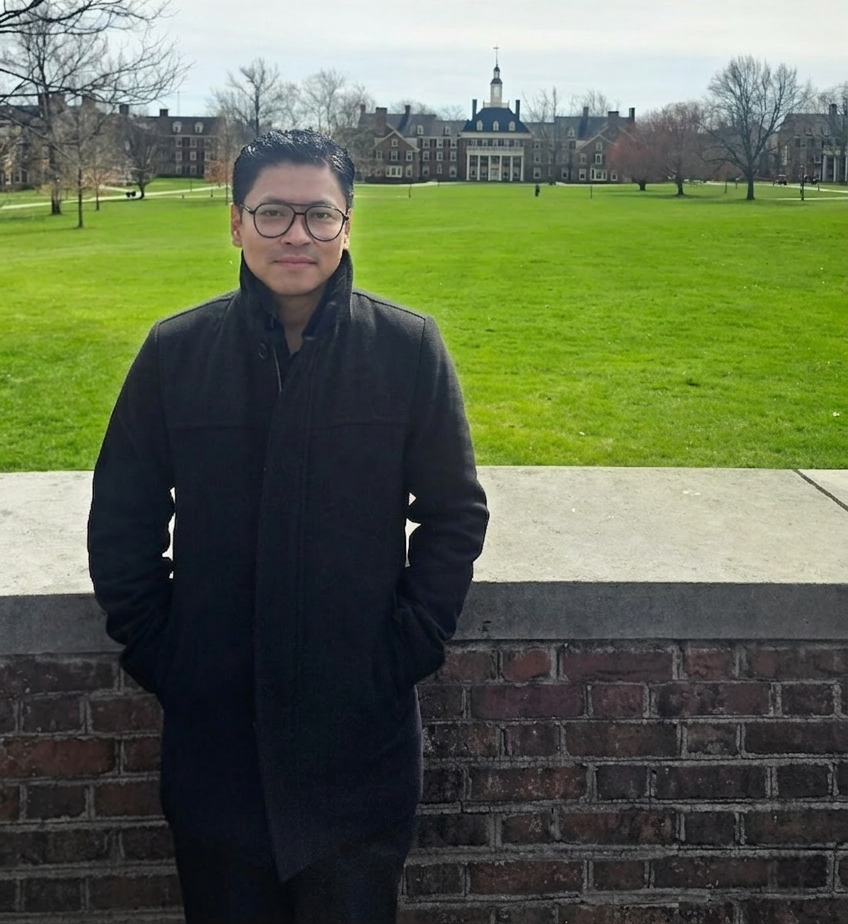
Beyond the university engagement, the Milwaukee leg of the visit included meetings organised by the International Institute of Wisconsin, where participants explored how local media organisations in the United States are adapting to technological disruption while maintaining editorial standards.
Discussions frequently returned to the growing influence of artificial intelligence in journalism, including its potential use in data analysis, automated transcription, investigative reporting and audience engagement. At the same time, participants examined the ethical challenges that accompany these developments, particularly questions surrounding transparency, editorial oversight and public trust.
The delegation later travelled to Pensacola, Florida, where the local programme was coordinated by Gulf Coast Diplomacy. Meetings there focused on community journalism in the United States and the role of digital platforms in strengthening connections between local news organisations and the communities they serve.
The final leg of the programme took place in Cincinnati and Northern Kentucky, where the World Affairs Council of Cincinnati and Northern Kentucky hosted a series of engagements with media practitioners and civic organisations working at the intersection of journalism, technology and public affairs.
Throughout the exchange, journalists from different countries compared how technological change, shifting audience habits and the rapid expansion of digital platforms are transforming the way news is produced and consumed.
Named after the renowned American broadcast journalist Edward R. Murrow, the programme aims to strengthen professional exchanges between international journalists and U.S. media institutions while encouraging dialogue on global developments shaping the future of journalism.
The exchange forms part of the broader International Visitor Leadership Program, which brings emerging leaders from around the world to the United States for professional exchanges designed to foster collaboration and mutual understanding across cultures and professions.